






















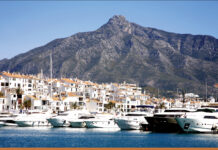


AMAZING ANDALUCIA
The natural landscape of Andalucia marks this historic region of Spain as one of the most unusual and breathtaking places to visit in Europe and perhaps even the world. While we are undoubtedly spoilt for choice on places to visit on the Costa Del Sol so few residents and holidaymakers have really been able to unearth and discover the true natural beauty, geography and naturally occurring landmarks of this region. Marbella Rocks has researched and uncovered 6 of the most unusual places to visit. Are you up for crossing some of these off your list?
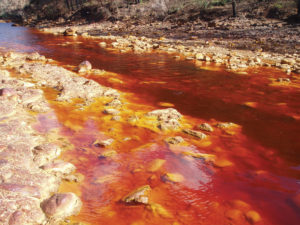 The Red River – Rio Tinto
Found in the Sierra Morena Mountains and flowing into the Gulf of Cádiz at Huelva is The Río Tinto. What makes this particular river special is its surreal bright red colour, created by the natural ores found in the surrounding mines of Rio Tinto. These ores of iron, copper and silver plus a host of natural minerals combine to generate the rich blood red colour. The harsh environment surrounding the mines, close to the Sierra de Aracena and Picos de Aroche Nature Reserve in the province of Huelva, has led NASA to conduct studies into the great diversity of microorganisms adapted to the extreme conditions with the aim of exploring its similarity to the planet Mars. Hence giving the bizarre landscape the nickname “Mars on Earth”. So go and have your picture taken in one of the strangest locations on Earth (or Mars).
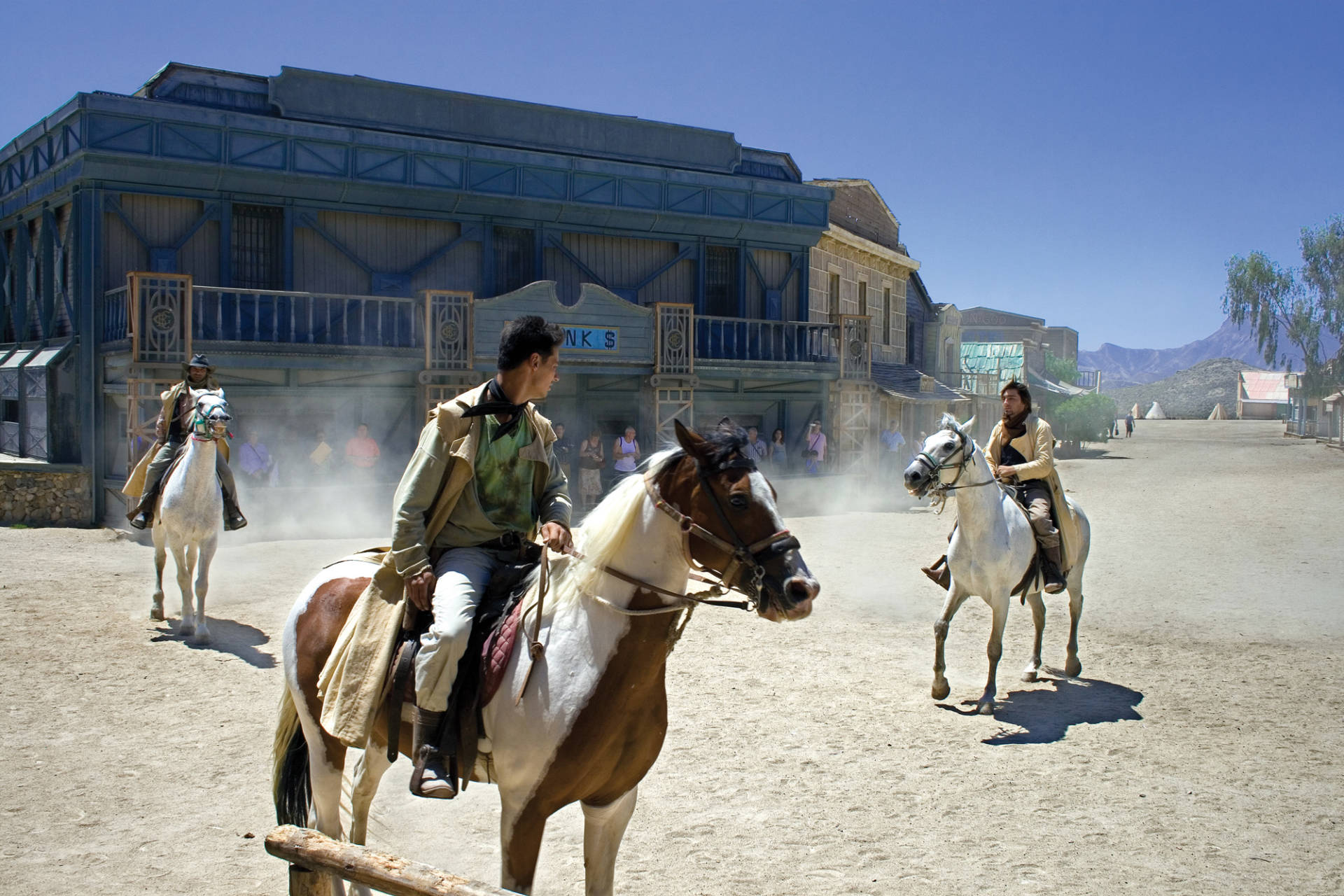
 Fort Bravo Texas Hollywood
If you are a fan of the spectacular new hit TV show Westworld then why not try it out for real (minus the robots of course) at the biggest film studios of Western theme in Europe; Fort-Bravo/Texas-Hollywood.
The American Old West set design dates from the 1960s when master director of the 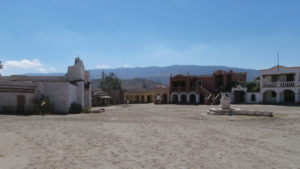 spaghetti westerns, Sergio Leone (A Fistful of Dollars, For a Few Dollars More, The Good, the Bad and the Ugly), discovered the amazing landscape of the region in the desert of Tabernas, Almería and started a New Wave in Hollywood which established Clint Eastwood among others as a major star.
At the other end of the scale and closer to home is the abandoned purpose-built set of the 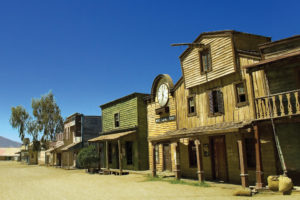 1993 flop BBC1 TV show Eldorado. Preserved by the dry mountain air and heat is the collection of deserted whitewashed buildings located in a pine forest just 10 miles north-east of Marbella near Coín.
Due to its pretty poor acting and initially dull storylines it was axed after one year and ended up costing the UK taxpayers more than £10 million in licence fees.
A long-running campaign to bring the Costa del Sol set soap back means Eldorado is more famous now than it was back then.
 Caves of Nerja
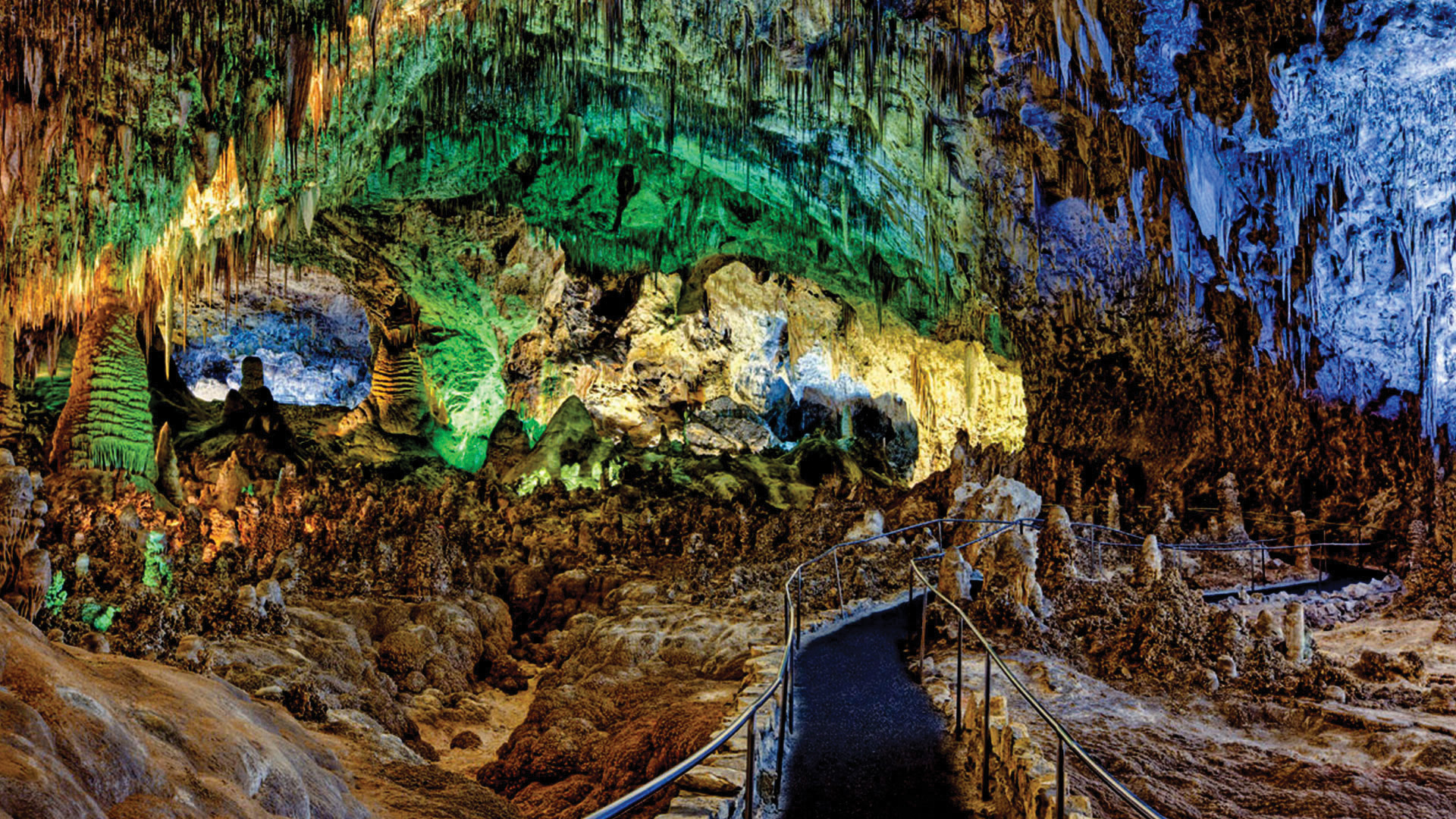
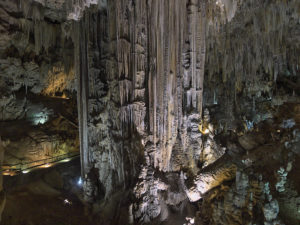
In 1959, a group of five friends squeezed through a narrow sinkhole and rediscovered the vast cave system of Cueva de Nerja (skeletal remains found in the caverns indicate they were first discovered and inhabited from approximately 25,000 BC up until the Bronze Age – more than 20,000 years later). If anyone’s seen the horror movie The Descent this scenario will indeed send chills down your spine!
The cavernous chambers of Nerja stretch for more than 5km (3.1miles) and cover more 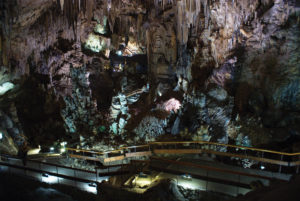 than 35,484 m2. Another entrance was soon discovered and a manmade one added in 1960 which allows easy access to visitors today.
The caves are one of Spain’s most popular and spectacular tourist attractions and are so large one cavern which forms a natural amphitheatre holds concerts throughout the year attracting major stars to perform.
Divided into Nerja 1 and Nerja 2 – Nerja 1 comprises the areas open to the public, including the Show Galleries with easy access by stairs. Nerja 2 which has restricted access to the public includes the Upper Gallery and New Gallery, discovered in 1960 and 1969 respectively.
 Setenil de las Bodegas
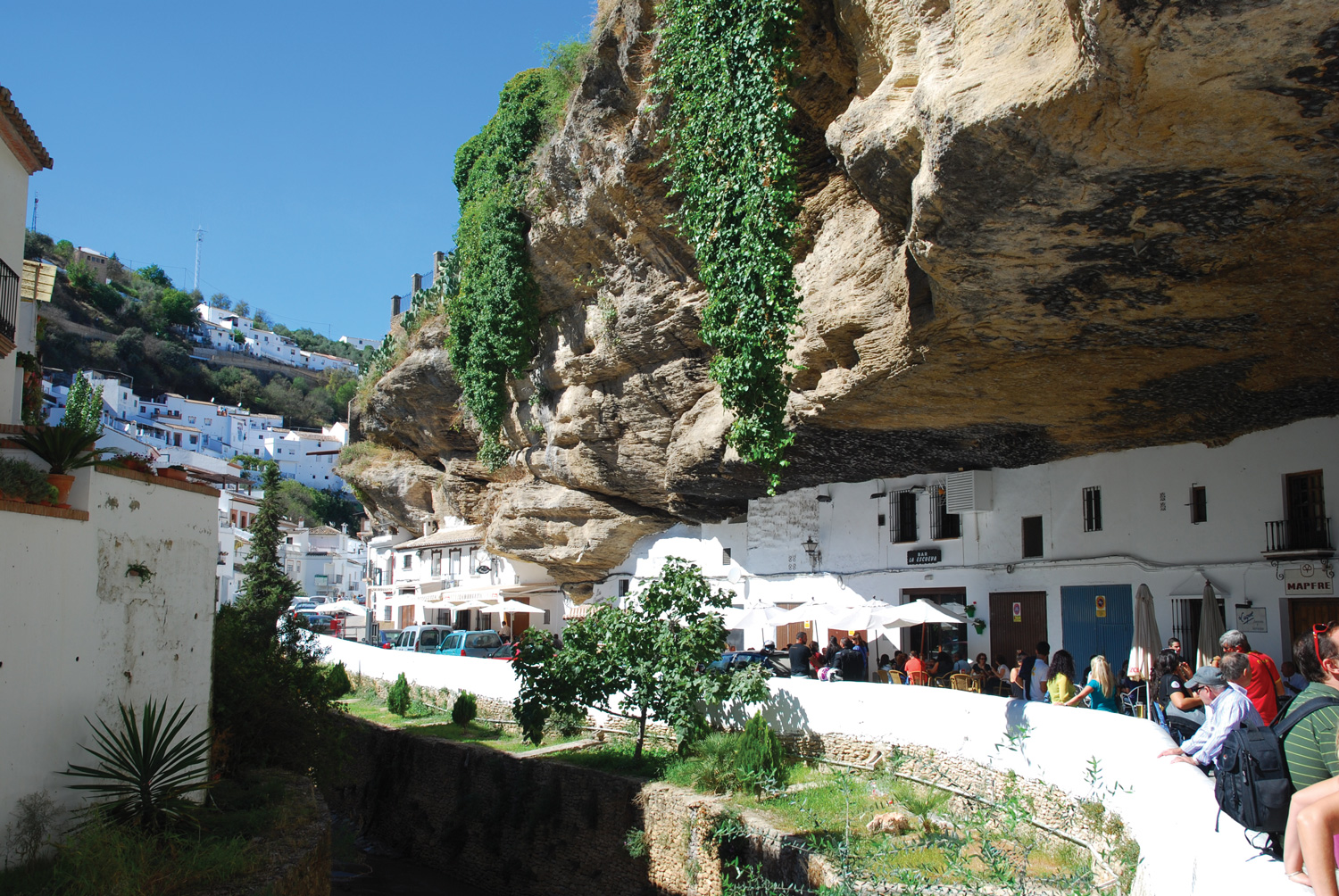
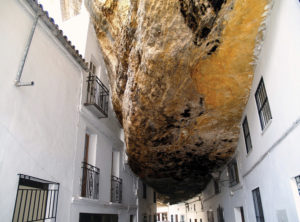
In the North-west of Ronda is the tiny town of Setenil de las Bodegas which is literally built into the rock of the mountain overhanging the Rio Trejo.
Only a brave few of the 3,000 population inhabit the white houses built under the vast outcrop, while other nearby houses sport rock roofs and some even have olive groves growing on them.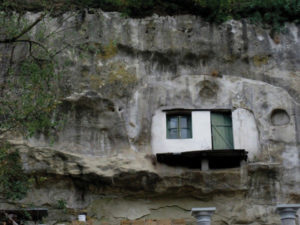
The small town also hosts a small selection of bars and restaurants and food shops ranked as some of the best in the region, offering local specialities of chorizo, olive oil and wines.
The town’s name Setenil de las Bodegas reflects its rich history; setenil, from the Latin words septem nihil – ‘seven times no’, refers to the seven times the Catholic rulers tried to take back the territory from the Moors and bodegas, meaning ‘warehouse’ in Spanish refers to the use of the cool areas under the rock as a large storerooms for all kinds of local produce.
 Cave Homes
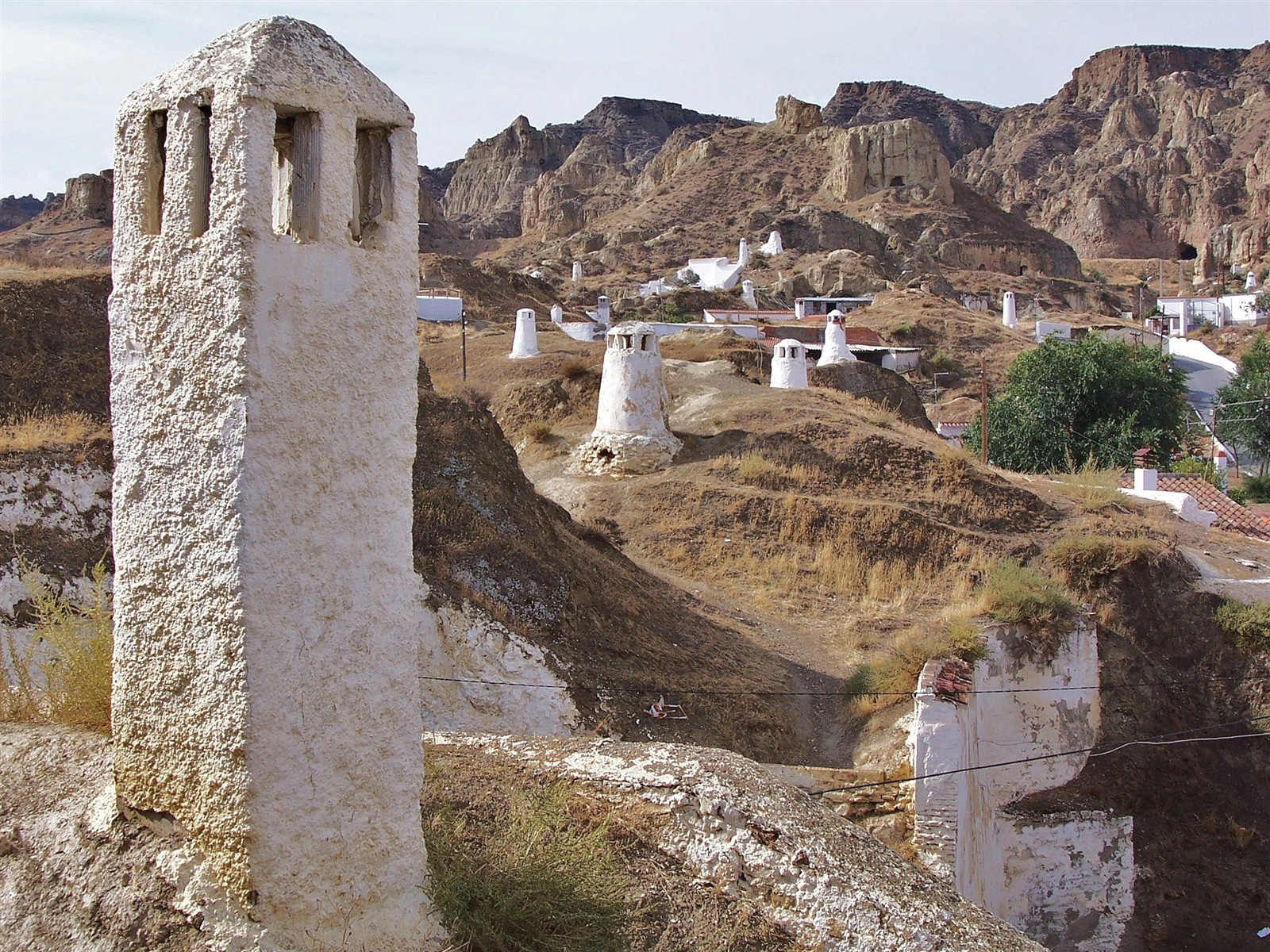
If you like the idea of living in a cave home then visiting Spain’s cave country in the Altiplano de Granada region – a mountainous region of northern Andalucía, between the Sierra Nevada
and the Sierra de Castril – where entire villages are carved out of the rock would be the best place to start.
They were created by the unique geology of the area – a turbulent past of rock erupting from sediment of the prehistoric era. Steeped in history and breathaking to visit.
Originally inhabited by the Moors but more recently carved by peasant farmworkers in the 19th Century they are as much sought after today with thousands of new modern day cave-dwellers in the Granada region alone due to them being pleasantly cool in the summer and warm in the winter.
 Antequera Dolmens Site
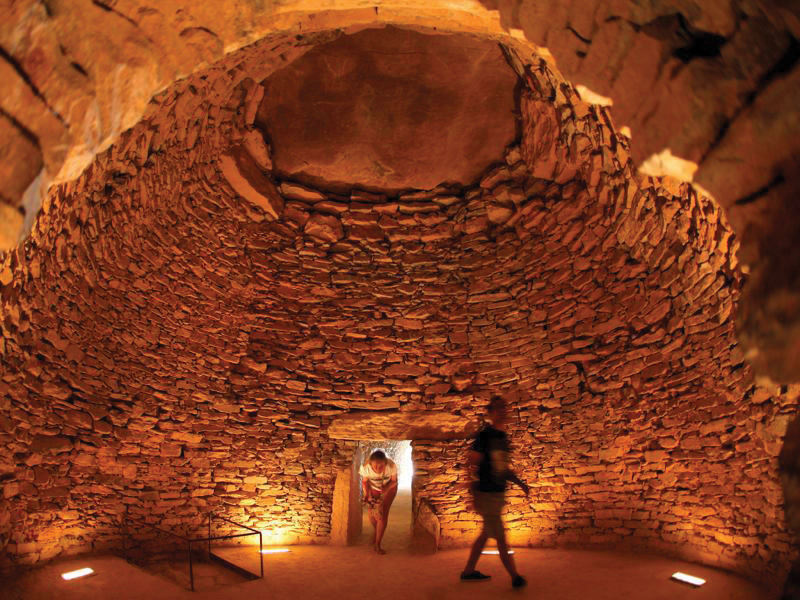
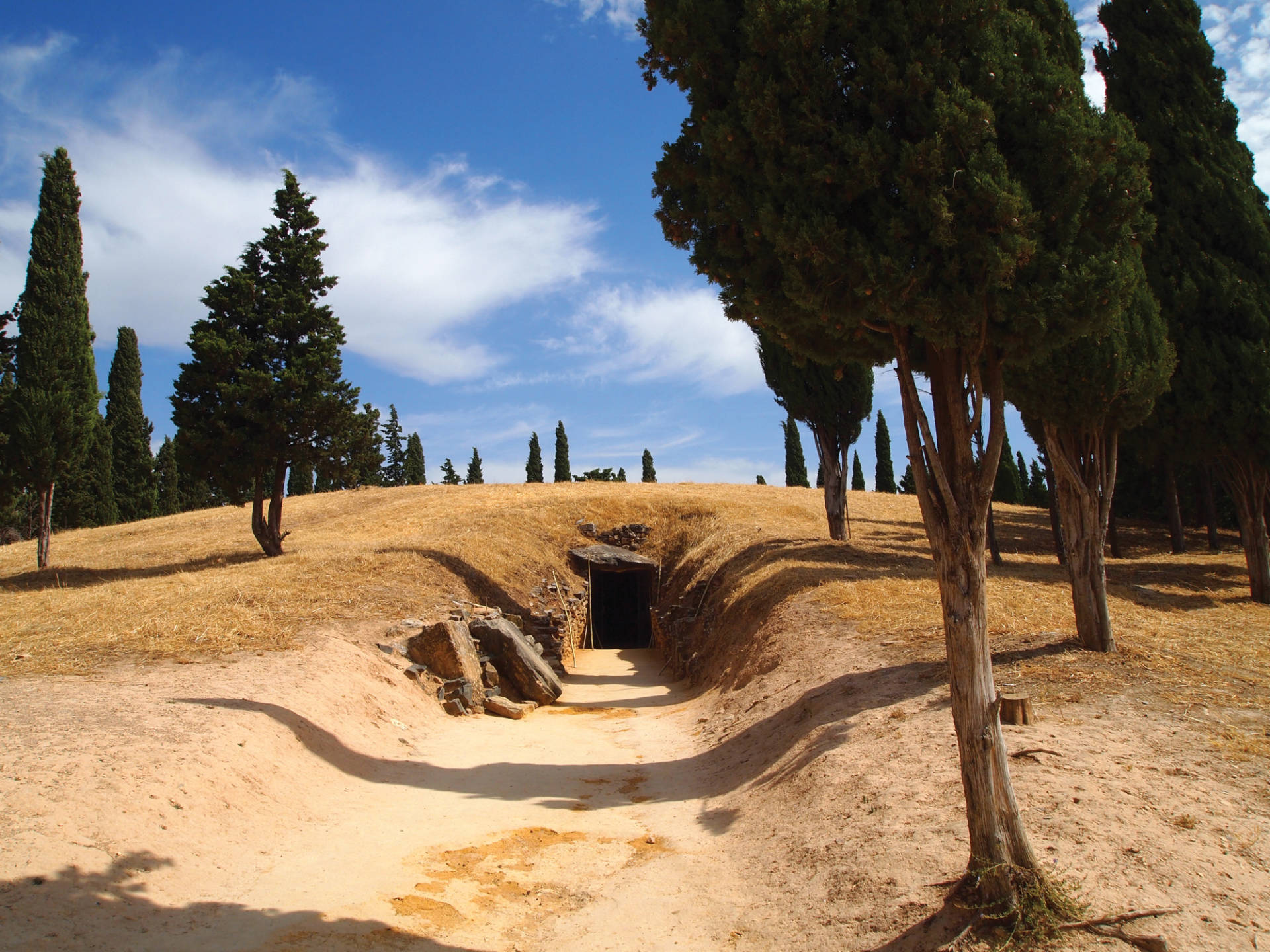
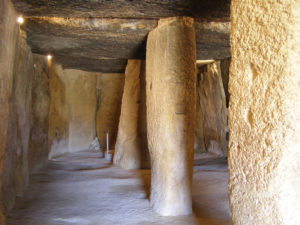
Located just outside Antequera sit three 5,000-year-old burial chambers known as dolmens; Menga (the largest in Europe), Viera and the beehive tomb El Romeral (located in the Torcal region). They are regarded as the largest and most complete megalithic structures in Europe.
The dolmens site in 2016 was declared Andalucía’s seventh (sixth exclusive) World Heritage Site.
The huge chambers were supposedly built by farmers who lived during the Neolithic period and Copper Age from 5,000 to 2,200BC.
The largest, Menga Dolmen is nearly 30m long and its largest upright stone weighs 180 tonnes (the heaviest stone at Stonehenge weighs 23 tonnes). Ninety-five percent of the world’s dolmens alignment is to the south-east for the solstice but Menga aligns north-east and uniquely to a natural landmark, the mountain of Peña de los Enamorados.
By appointment a small number of visitors are able to witness this event each year.